




Markets Pulse October 06, 2026
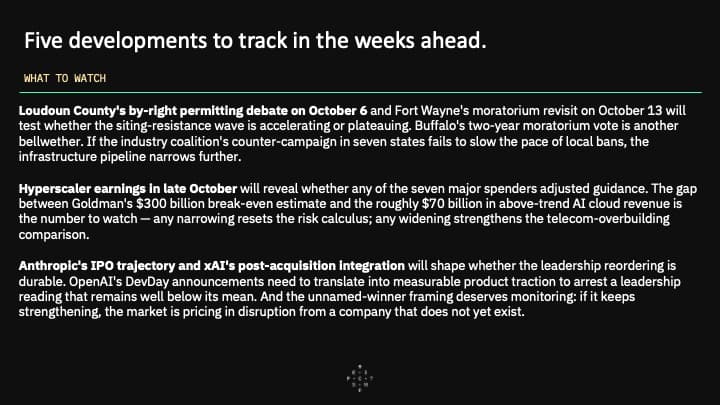
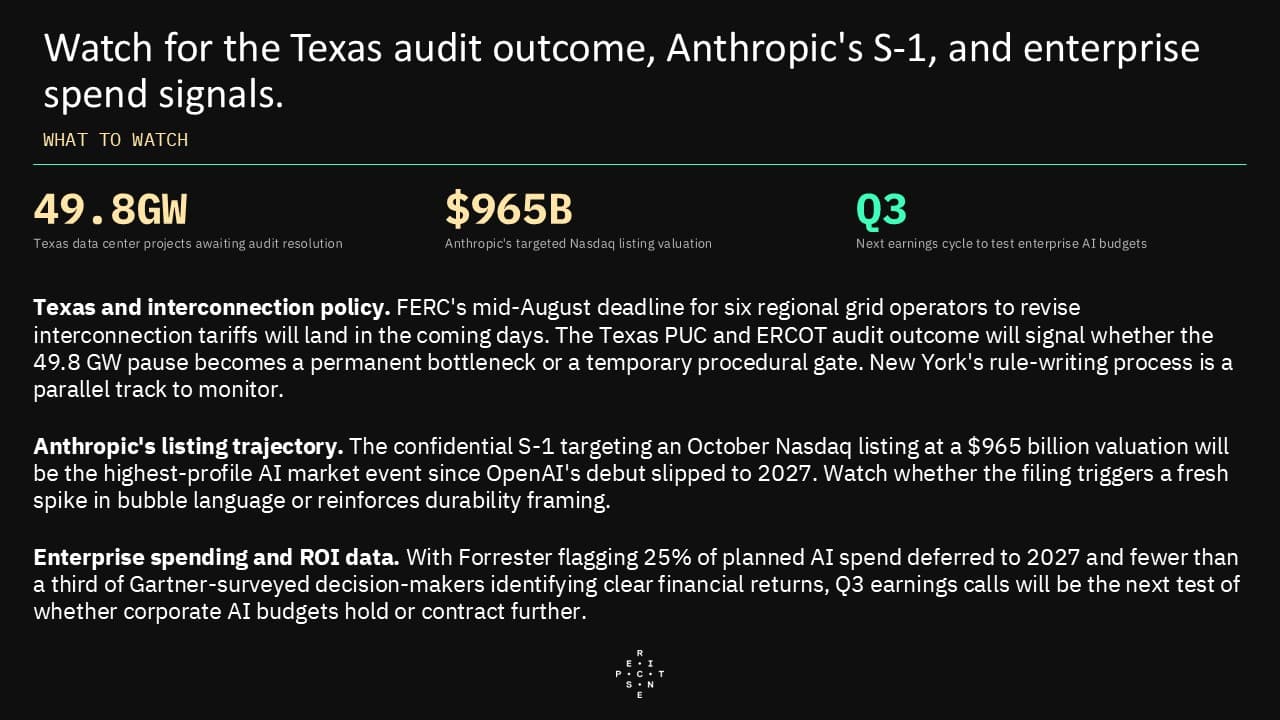
The war has been written into the baseline rather than treated as a shock. At day 220, with Hormuz still closed and crude roughly a third above its prewar level, our signatures tracking geopolitical-policy uncertainty, risk-on posture, and risk-off posture are all flat and subdued, and the entire flight-to-safety complex spanning Treasurys, the franc, gold, and the yen remains deeply negative. Commentary now treats the conflict as a standing input to the oil-led inflation story instead of an active risk premium to be hedged. Policy-prescription language has consolidated around tightening, and the softness in the labor data did not dent it. The density of language arguing for tighter monetary policy towers over easing language by a wide margin, and expressions of uncertainty about future central bank decisions sit well below normal — a consensus posture, not a debate. Disinflation framing is losing airtime faster than acceleration framing is gaining it, so the hawkish lean reflects fading confidence in the inflation glide path rather than fresh evidence of reacceleration. Weak payrolls, downward revisions, and the slowest wage growth since 2021 produced almost no forward-looking unemployment narrative in either direction. The loudest story in the panel is the scramble to cut checks, and it is running far ahead of anything enacted. Our signature tracking helicopter-money proposals posted both the strongest reading and the largest weekly gain in the file, and direct stimulus-check language recorded the second-largest gain, driven by a renewed $5,000 payment promise tied to the midterms. No rebate has actually become law, the competing bills are stalled in committee, and consolidation framings — debt paydown, deficit reduction, spending pauses — are all retreating together. Relief talk is displacing austerity talk a month before Election Day without crisis-spending language appearing anywhere. The tariff regime is losing its public license in the language, and fuel is taking over as the cost grievance. Opposition framing remains near the top of the panel, predictions that tariffs will decrease posted one of the week's largest gains, and advice to buy through tariff-driven weakness collapsed. Justification arguments are thinning in unison across reshoring, industry protection, and fair-share framings. That erosion and the surge in rebate talk are two faces of the same political trade: the levy is being narrated as a refund mechanism rather than an industrial policy, which also explains why unfunded tax cuts are the single component of the Treasury-pressure complex still rising. Yields at two-decade highs have not produced the fiscal-panic narrative one would expect — and equity commentary is describing concentration rather than endorsing it. Even with the 10-year above 5% and the 30-year near 5.6%, runaway-spending and deficit framings around Treasury outcomes both fell, genuine default concern returned to its long-run average, and the buyer-strike story — foreign central banks seeking alternatives, restructuring pressure spooking buyers — lost more ground than anything else in the file. Gold-over-Treasurys language is building, yet no asset has claimed the safe-haven title and no "sell America" rotation appears in repatriation or look-abroad signatures. On the equity side, K-shaped market framing is gaining while the case for US large-cap growth as the only option stays deeply negative, and the normative defenses of narrow leadership are easing. Narrowness is being reported as a fact, not sold as a trade.